Product Specialist – Supply Chain & BI
Geely Commercial Vehicles Group
Leading end-to-end supply chain BI platforms, digitizing vehicle delivery workflows.
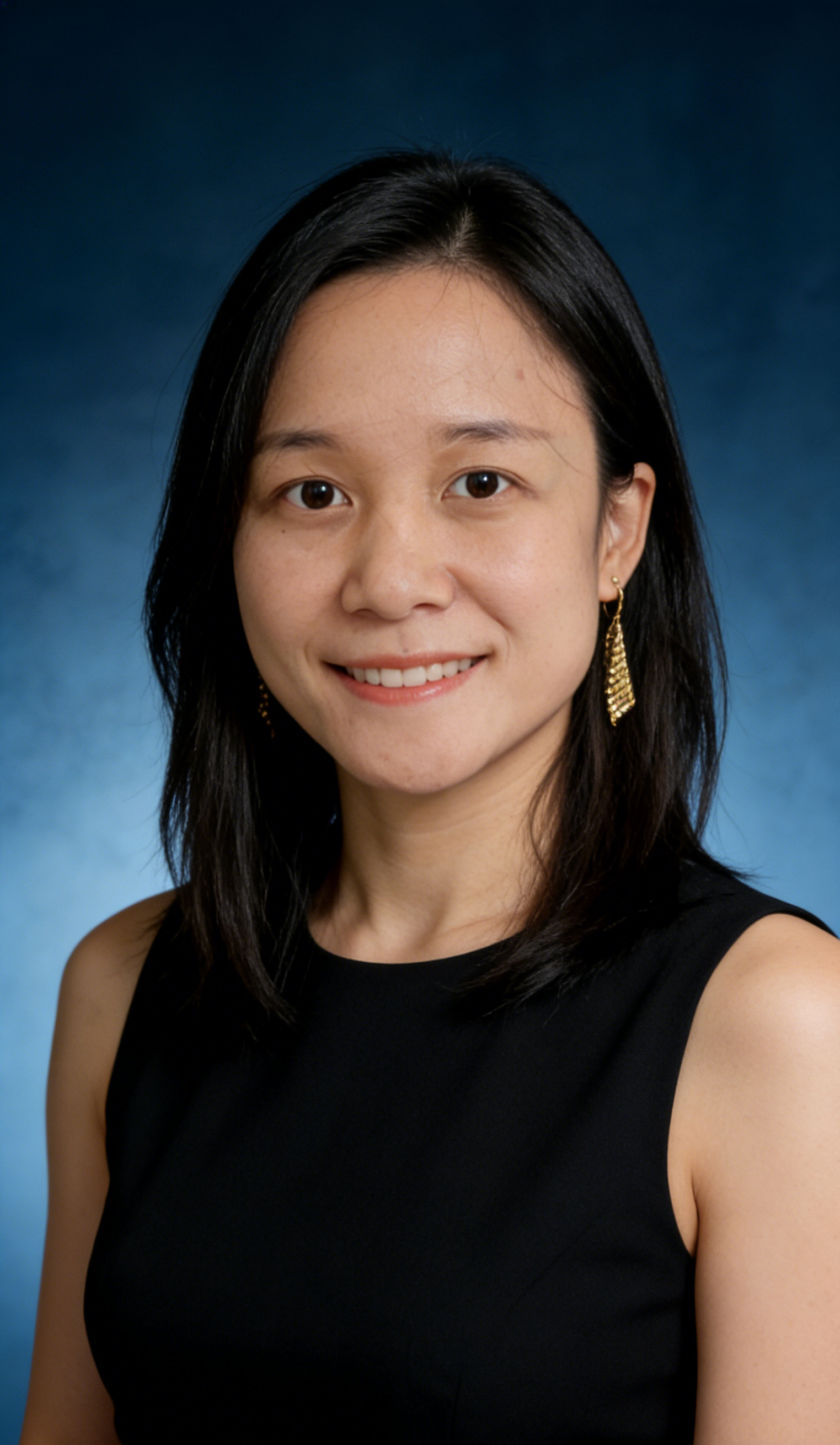
I do not start from an idealised user; I start from specific, non‑standard bodies moving through systems and being used up in particular ways. For me, cognitive friction is not a vague usability issue but an extra mental and emotional load that can be logged, classified and measured – it has locations, intensities and triggers inside concrete workflows. I care about how this load is currently pushed onto neurodivergent workers and users, and under which rules and tools it could instead be recognised and deliberately redistributed, rather than written off as individual failure.
The language I use comes from twelve years in operations, not from design slogans: NPS, satisfaction, effort and dense KPI tables, plus escalation queues and process diagrams. In the 3,017‑response ecommerce study, you can see after‑sales as a concentrated site of cognitive friction, where process opacity and unclear escalation paths matter more than whether the final outcome is “good” on paper. The current programme turns this kind of analysis into a cognitive friction framework that teams can plug into existing dashboards to see which touchpoints are burning whose attention.
I work independently from Hangzhou. There is no department or lab behind this, so the research infrastructure – data pipelines, protocols, sites, analysis workflows – is something I build and maintain myself. That also fixes my coordinates: global South, frontline operations, constrained access to knowledge systems. I use those constraints and practices not as a personal story but as part of the problem: they are how systems decide who gets to produce concepts about friction and inequality, and who only appears as a data point.
My primary question is how neurodivergent nervous systems experience cognitive friction in complex, multi‑stakeholder environments such as supply chains, platforms and organisations. I approach this as an independent, practice‑based researcher: I design tools, protocols and studies that need to work both as lived infrastructure and as research instruments.
My industry work in product and UX gives me access to real constraints, messy data and long‑term feedback loops. The product site documents that side of the work; this research site documents the conceptual, methodological and experimental side.
I apply this programme directly in product and UX roles for supply‑chain, marketplace and internal tools teams. When I ship dashboards, workflows or internal protocols, they are often the “first deployment” of ideas tested in my research practice.
If you’re interested in the shipped, industry‑facing side of this work, you can find my product / UX profile and portfolio here → Product & UX profile.
My research trajectory did not start in a lab. It started in warehouses, contact centres, internal tool backlogs, and management reports. Over a decade of running after‑sales, operations, and internal systems exposed the gap between how organisations describe their processes and how people actually have to work around them.
As long‑term exposure to cognitive friction began to have material effects on my capacity to work, I stopped treating these gaps as individual weakness and started treating them as research objects. The NPS Service Experience study, the Friction WishPool and protocol library, and the Inner Kingdom System are all ways of making this invisible work legible, measurable and reconfigurable. (For a candid assessment of the bottlenecks and gaps in this trajectory, see my note on Academic Trajectory & Next Steps.)
From 2010 to 2023, I worked across supply‑chain, after‑sales service and internal tools in large and mid‑scale organisations. These roles inform my current work: I treat organisations as systems that quietly depend on people performing invisible articulation work and emotional labour to keep brittle processes running.
Geely Commercial Vehicles Group
Leading end-to-end supply chain BI platforms, digitizing vehicle delivery workflows.
Songxiaocai
0→1 build of two-sided logistics apps and production-supply data maps.
Dasouche
Algorithmic used-car valuation and inventory turnover optimization.
NetEase Yanxuan
Dynamic warehouse selection and dispatch engines for e-commerce.
Amazon China
Planning and optimising last‑mile networks while handling high‑volume service escalations and internal tools in Central China.
This programme is my way of answering a question I could not ignore in operations: why do some people—often neurodivergent, often in unseen roles—have to pay such a high cognitive and emotional price for systems to work at all?
By combining industrial‑scale NPS data, ND‑centred protocol work and a shared Inner Kingdom schema for internal state and friction records, I am building an empirical and conceptual basis for neurodivergent‑friendly systems research that does not treat people as the problem to be fixed.
I write as an industry‑trained systems practitioner and independent researcher from Mainland China who has spent most of her working life inside large operational systems rather than in academia. My current work focuses on neurodivergent experience and cognitive friction in operations, but I do not present myself as a spokesperson or representative of ND communities.
Much of my time was spent in high‑pressure internet companies that treat people’s attention and time as adjustable inputs.
The question underneath this programme is simple and not neutral: how do we build systems where people can do necessary work without being ground down, and where neurodivergent lives are seen as lives to live, not problems to fix. Or in Hölderlin's terms, how we might learn to dwell more humanely in the very systems we have built.
Over the next decade, I will keep growing cognitive friction and neurodivergent‑friendly operations into a small but persistent research ecosystem – independent of where I work, but open to anyone who wants to build with me.
I am an industry‑trained systems practitioner and independent researcher. I work with research groups and teams whose systems intersect with my programme on neurodivergent‑friendly sociotechnical systems and cognitive friction.
I am already running this programme independently and am seeking environments that can provide methods training, peer review and institutional infrastructure while allowing the work to continue and grow. In practical terms, this means co‑authoring CHI/CSCW‑level work, integrating my existing protocols and datasets into your projects, and jointly shaping new studies around ND‑centred friction in work and services. I work best with people who treat neurodivergent experience and global south labour as structural questions and who are open to non‑linear, portfolio‑based trajectories and neurodiversity‑affirming supervision.
I am based in Hangzhou and currently work remotely. Both remote collaboration and eventual relocation are realistic options for me, depending on the fit and timing. In the near term, I am primarily looking for remote collaboration arrangements rather than an immediate full‑time position, but I am open to discussing relocation if a longer‑term fit emerges.
Where your institution allows it, I would be glad to be listed as an external collaborator or research affiliate of your group; if that is administratively difficult, listing me as an independent researcher is also fine. What I need most is access to a research environment (reading groups, feedback on drafts, and the ability to submit work under your group’s umbrella when appropriate). In return, I can commit to delivering multiple CHI/CSCW‑level submissions over a 12–18 month period that extend my Cognitive Friction and ND‑centred systems work into your existing projects.